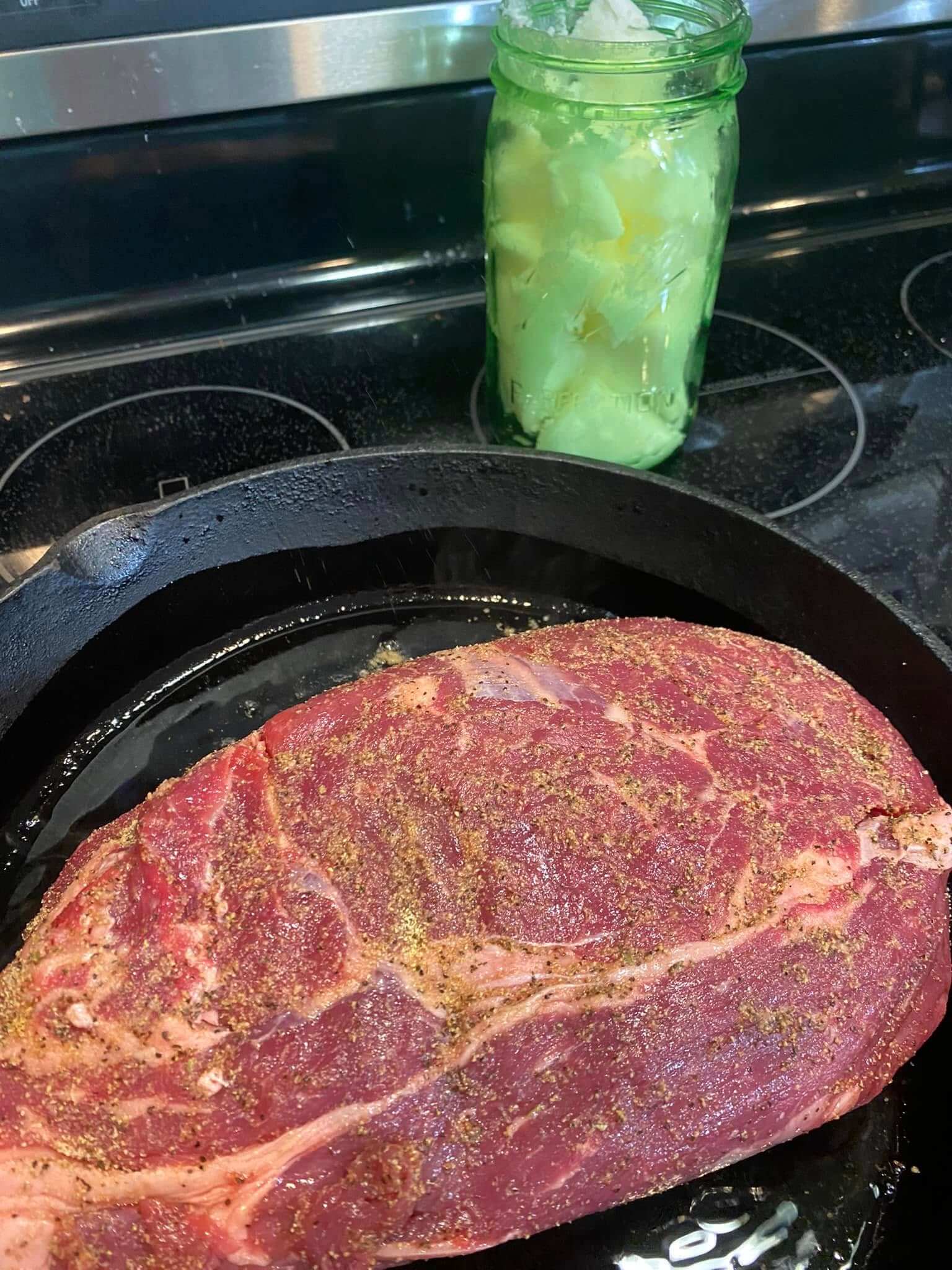
Tallow dish soap cuts through grease better than synthetic detergents because it’s made from beef fat that naturally dissolves fatty residues while moisturizing your hands instead of drying them out. Unlike conventional dish soaps loaded with harsh chemicals, tallow soap uses saponification—a traditional process combining rendered beef fat, lye, and water—to create a biodegradable formula that’s gentle on sensitive skin and tough on kitchen messes. Blended Pastures Farmstead raises their cattle on 650 Alabama acres and renders tallow on-site, offering varieties like Kitchen Lemon and Lava Luxe that deliver transparency you won’t find elsewhere, and there’s more to discover about making the switch.
Highlights
- Tallow dish soap cuts grease effectively while moisturizing hands, unlike synthetic detergents that strip skin and contain harsh chemicals.
- Made through saponification of beef fat and lye, tallow soap is biodegradable and eco-friendly for waterways.
- Blended Pastures Farmstead renders tallow on-site at The Farmstand from grass-fed grain finishedAlabama cattle, ensuring transparency and quality control.
- Kitchen Lemon and Lava Luxe varieties use essential oils and pronounceable ingredients without synthetic perfumes or detergents.
- A little goes a long way; store on a draining dish in cool, dry spots for longevity.
What Makes Tallow Dish Soap Different From Regular Dish Soap?
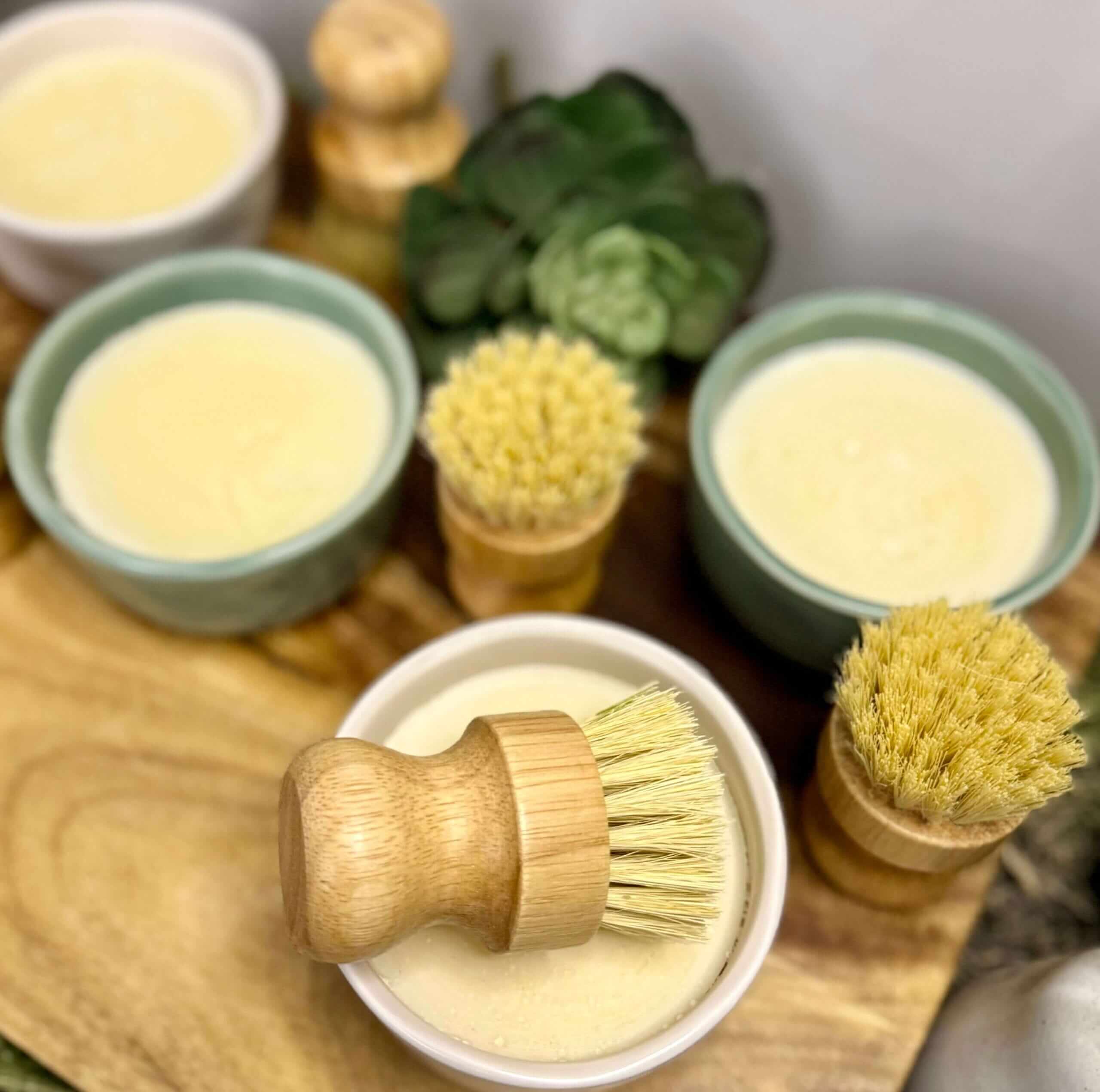
The biggest difference between tallow dish soap and the stuff under your kitchen sink right now? The soap ingredients. Regular dish soaps are packed with synthetic detergents and chemicals that strip grease—and moisture from your hands. Tallow dish soap takes a different route. It’s made through saponification, combining rendered beef fat with lye and water to create something actually biodegradable. The tallow benefits go beyond just being natural, though. This soap cuts through grease without leaving your hands cracked and dry. Instead of harsh sulfates, you’re working with fat-soluble vitamins and moisturizing agents that leave skin soft. It’s the kind of upgrade that makes doing dishes feel less punishing. Plus, you’re joining a community that values eco-friendly, gentle cleaning solutions that actually work. Kitchen Lemon Tallow Dish Soap combines grass-fed grain finished beef tallow with lemon essential oil to deliver a rich lather that tackles greasy dishes while remaining gentle on frequently-washed hands.
Why Tallow Dish Soap Cuts Grease Better While Being Gentler on Your Hands
It’s fat-based, and breaking down fat requires something that speaks its language. Tallow naturally dissolves kitchen grease because it chemically understands fatty residues, making grease breakdown effortless. Meanwhile, conventional detergents strip everything away, including your skin’s protective oils. You’ll notice the difference immediately—tallow soap moisturizes while it cleans, thanks to the saponification process that creates glycerin. This gentle compound provides skin hydration instead of irritation. Just like whipped tallow cream for facial care, tallow-based products work with your skin’s natural chemistry rather than against it.
| Tallow Dish Soap | Regular Dish Soap |
|---|---|
| Natural grease breakdown through fat chemistry | Synthetic surfactants strip everything |
| Moisturizes hands during washing | Dries and irritates skin |
| Biodegradable, environmentally friendly formula | Contains harsh chemicals |
| Gentle on sensitive skin | Causes frequent irritation |
| Leaves skin hydrated and soft | Requires hand lotion afterward |
Your hands deserve better than chemical warfare. With tallow soap, you’re getting powerful cleaning that actually nourishes.
How to Use and Store Tallow Dish Soap for Maximum Longevity
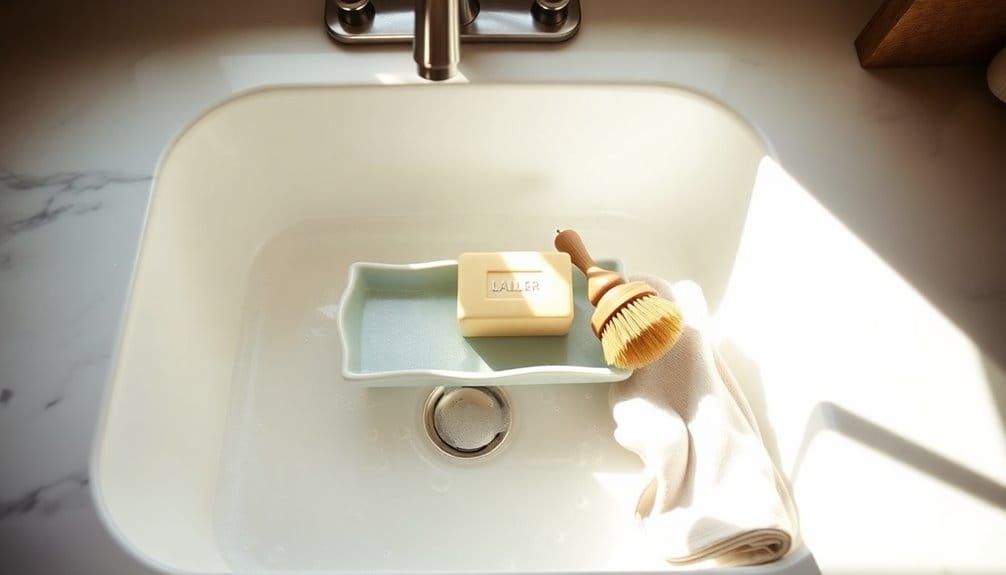
Getting the most from your tallow dish soap starts with proper placement and smart handling habits. Follow these storage techniques: keep it in a cool, dry spot away from windows and heat sources. Between uses, let it rest on a draining soap dish so it fully dries and stays firm. This prevents that frustrating mushiness we’ve all dealt with.
For usage tips, wet your sponge or cloth, swipe it across the bar, then lather up. You’ll need less than you think—a little goes far. The activated charcoal works alongside the tallow to tackle even the toughest baked-on food without leaving any residue behind. With these practices, your bar should last several months, even with daily dishwashing. That’s real value for your kitchen budget. You’re part of a growing community choosing natural solutions that work harder and cost less over time.
What to Look for When Buying High-Quality Tallow Dish Soap
When you’re ready to purchase tallow dish soap, ingredient transparency should top your priority list. You’ll want to verify the tallow sourcing comes from grass-fed grain finished beef, ensuring you’re getting the highest quality rendered fat. Look for companies that openly share their saponification process and ingredient lists.
Here’s what separates premium tallow dish soap from mediocre options:
- Crystal-clear ingredient labels featuring grass-fed tallow, lye, and water as primary components
- Biodegradable formulations that break down naturally without harming waterways
- Moisturizing properties from natural glycerin or coconut oil additions
- Essential oil fragrances like citrus or lavender instead of synthetic perfumes
Choose brands that proudly display their ranch origins and rendering methods. Many quality tallow soaps pair grass-fed grain finished beef tallow with olive oil to create a creamy lather that performs well for everyday cleaning. You’re not just buying soap—you’re joining a community committed to cleaner, healthier kitchens.
Why Blended Pastures Farmstead Offers the Best Tallow Dish Soap Options
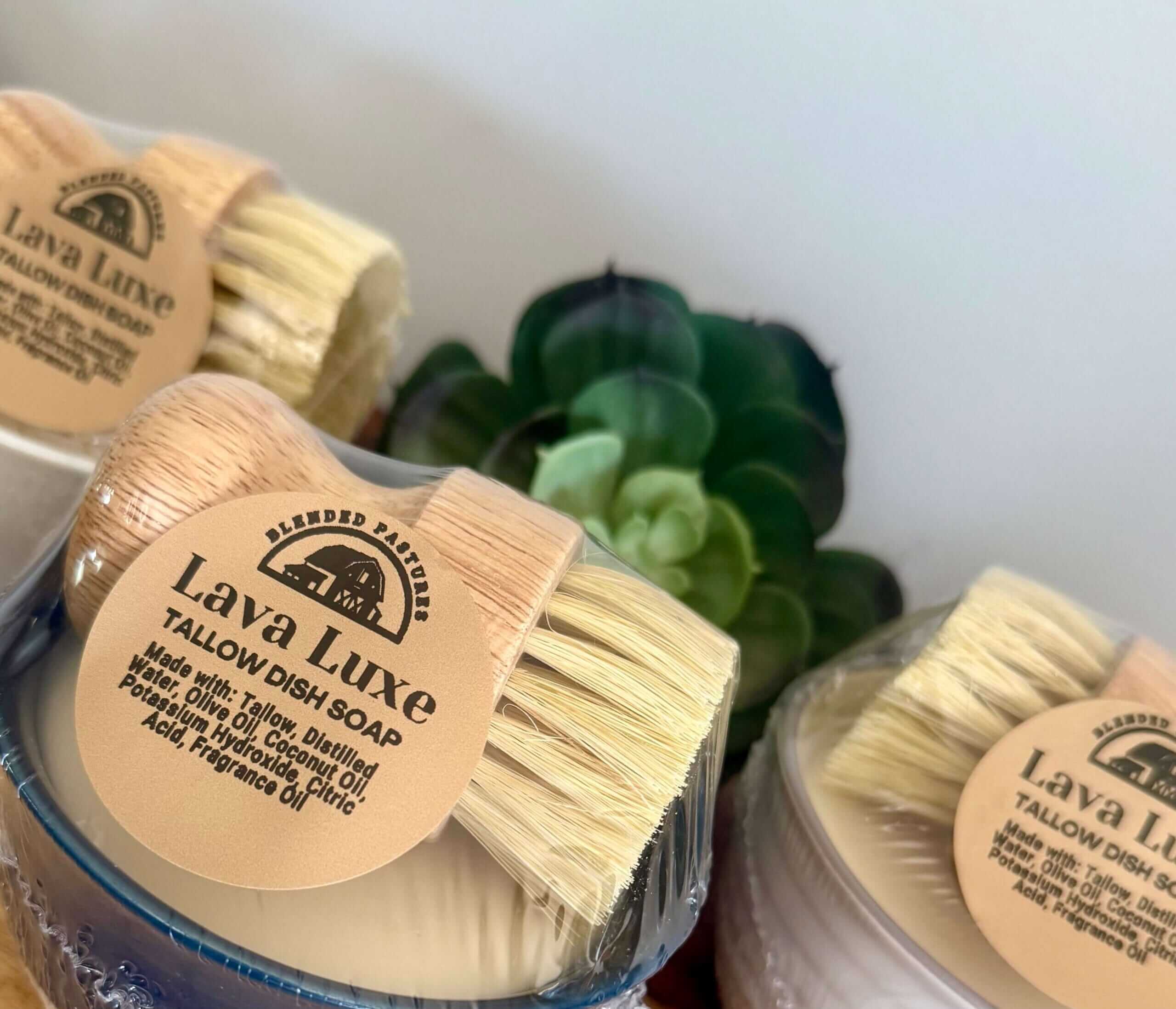
Among the growing number of tallow dish soap makers, Blended Pastures Farmstead stands apart with their commitment to complete transparency and farm-to-kitchen integrity. You’ll find their environmentally friendly sourcing practices aren’t just marketing speak—they raise their own cattle on 650 acres in Alabama, controlling quality from pasture to product. Their Kitchen Lemon and Lava Luxe varieties use eco friendly ingredients you can actually pronounce, cutting through grease while keeping your hands moisturized. What really sets them apart? They render their own tallow on-site, ensuring nothing gets wasted and everything meets their exacting standards. When you buy from their Farmstand, you’re supporting a multi-generational family operation that values land stewardship, animal welfare, and your health equally. For those seeking a fragrance-free option, their Plain Jane Tallow Soap offers the same nourishing grass-fed grain finished beef tallow formula with minimal ingredients, perfect for sensitive skin or minimalist routines.
Frequently Asked Questions
Can you use tallow soap for dishes?
Unlike commercial soaps filled with synthetic ingredients, tallow soap is biodegradable and really effective at cutting through grease and food residue. It’s the perfect solution for anyone looking to clean their dishes without the harsh chemicals.
What are the benefits of tallow dish soap?
Effectively Cleans Without Harsh Chemicals: Saponified oils lift away grease and food residue while being non-toxic and biodegradable. Gentle on Hands: Unlike conventional dish soaps that dry or irritate skin, this tallow-based formula leaves hands soft and hydrated after washing.
What Are the Disadvantages of Tallow Soap?
You’ll find tallow soap has some trade-offs worth considering. The animal-based ingredients raise tallow sustainability questions and ethical concerns for some. If you’ve got tallow allergies or sensitive skin, test carefully first. The scent can be stronger than synthetic soaps, and it doesn’t lather as dramatically. You’re also looking at higher upfront costs and limited availability—many quality options sell out quickly.
Is tallow banned by the FDA?
The Food and Drug Administration (FDA) includes Tallow and Hydrogenated Tallow on its list of substances considered Generally Recognized As Safe (GRAS).
Why Did People Stop Using Tallow?
You stopped using tallow when synthetic detergents revolutionized cleaning in the 1950s. Companies like Procter & Gamble marketed petroleum-based alternatives as cheaper and more effective, shifting away from historical usage of animal fats. Modern alternatives promised convenience and lower prices, while vegetable oils became the go-to ingredients. The rise of veganism and environmental concerns further pushed tallow aside, even though it’s one of humanity’s oldest, most effective cleaners—used for thousands of years before synthetics took over.
How long before tallow goes rancid?
Beef tallow can have a shelf life of up to one year when kept in a cool and dark storage space, far from excessive exposure to air. However, if you decide to keep tallow on hand for more than a year, it can stay in the freezer for much longer.
Is Tallow Dish Soap Good?
Yes, tallow dish soap is excellent for your kitchen. You’ll love how it cuts through grease naturally while keeping your hands soft, unlike harsh commercial detergents. The tallow benefits include being biodegradable and packed with skin-nourishing vitamins. Plus, tallow sustainability shines through—it’s made from rendered beef fat, a renewable resource that reduces waste. According to flowercreekfarmco.com and fatcowskin.com, it’s gentle, effective, and environmentally-friendly—perfect for conscious households.
Do Dermatologists Recommend Tallow?
Dermatologists have mixed opinions on tallow for skincare. While some acknowledge its moisturizing properties and fatty acid profile that mimics skin lipids, others caution about limited scientific evidence and potential pore-clogging issues. According to clevelandclinic.org and westlakedermatology.com, tallow benefits aren’t well-researched enough for widespread recommendation. If you’re exploring tallow alternatives, dermatologists suggest proven moisturizers with ceramides and hyaluronic acid for barrier repair. Always patch-test any new product, especially if you’ve got sensitive or acne-prone skin.